A new study suggests that breeders can use AI to design entirely new strains by feeding machine‑learning models huge datasets, including genetic markers, plant growth measurements, environmental factors, and chemical profiles,and letting the machine simulate thousands of outcomes before a single seed is planted.
Traditionally, developing new strains includes extensive trial and error. Breeders cross plants, wait through growth cycles, and hope for consistency in potency levels or terpene profiles. But that process takes years, and even then results can vary wildly.
AI cans assist by:
This isn’t just about getting new strains out faster, it’s about precision and consistency, which are huge deals in the medicinal markets.
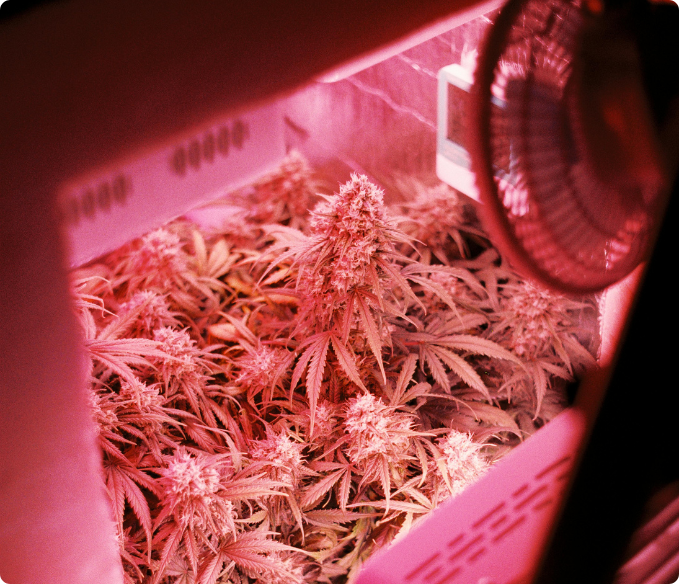
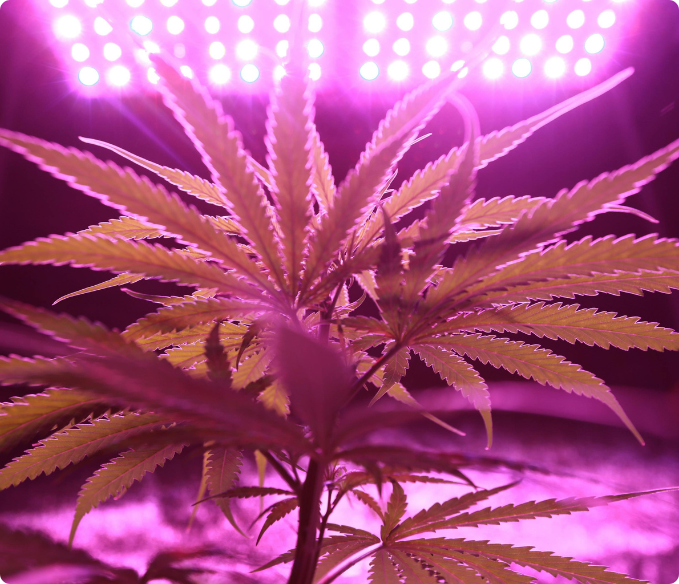
The researchers used a variety of AI tools, from deep learning models to genomic selection techniques, to connect plant DNA with real‑world traits like ratios and growth characteristics. By including environmental data as well, these models can predict how a plant might perform in different climates or grow rooms without wasting time and resources on physical trials.
This method is similar to how AI is being applied in other crops like maize or wheat, where machine learning helps breeders map desirable traits and accelerate breeding timelines.
With the chemical complexity and the tight interaction between genetics and environment make predictions tricky. That’s where AI’s ability to spot patterns humans might miss becomes especially valuable.
Of course, it’s not all smooth sailing. With the introduction of AI into the industry comes ethical questions, push back and regulatory frameworks. Unless AI programs have data to curate selective genes it still lacks the human element of understanding subjective features such as flavour, scent and feel. Breeding process driven by machines and not by personalised human curation for the love of the plant still hangs in the balance.